We KNOW
Pediatric Ophthalmology &
Eye Alignment Restoration





Experience &
Expertise Matter
Over 30,000 microscopic
eye muscle surgeries
performed.
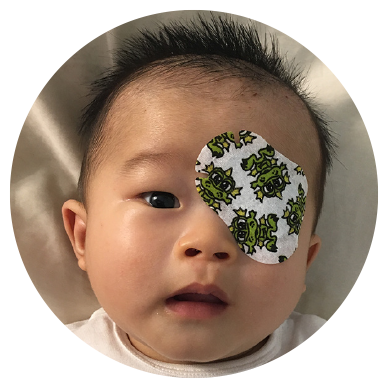
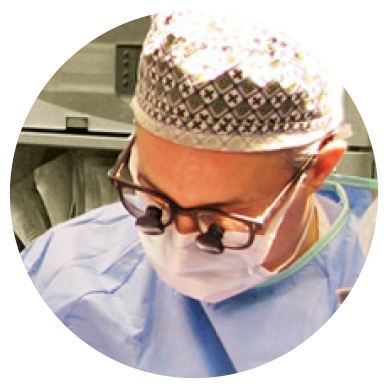
Meet Our Team
Complimentary skill sets.
Professional expertise.
Integrity.
Our Patients Love
Our spacious
state-of-the-art offices.

Pediatric Ophthalmic Consultants
40 West 72nd Street, New York, NY 10023 | 212-981-9800
The content of this Web site is for informational purposes only. If you suspect that you or your child has any ocular problem,
please consult your pediatrician, family practitioner, or ophthalmologist to decide if a referral to a pediatric ophthalmologist is required.
©1991-2021 All rights reserved.




4 Westchester Park Drive, Suite 120, White Plains, NY 10604
Open Waze
Once you enter Westchester Park Center, look for the 2nd left turn from entrance and enter the parking lot. Suite 120 is most easily accessed through the back entrance of the building. If entering from the front door, please take the elevator to the 1st floor and walk the building length to Suite 120.
See you soon!